
Building the Hybrid Mobile Healthcare Workforce With a Clinical Virtual Assistant
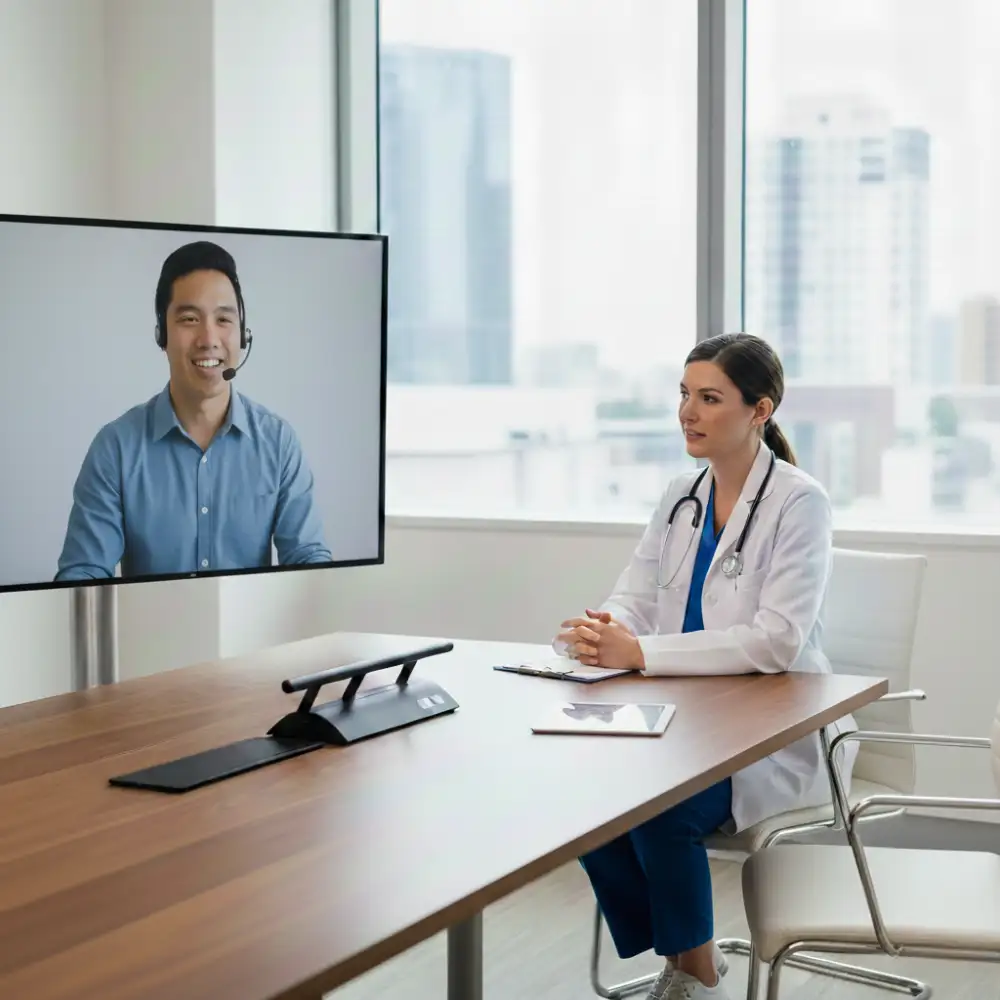
Hybrid healthcare is showing up more and more in mobile care settings, mostly out of necessity. In-field clinicians are stretched thin. They’re expected to see patients, document visits, manage schedules, and keep everything moving during short windows of time. That’s a tough balance. Pairing those clinicians with a clinical virtual assistant helps take some of that weight off.
In mobile and community-based care, there isn’t much room for inefficiency. Visits are hands-on and time-sensitive, and paperwork still has to get done after the patient leaves. Patients also expect follow-ups, reminders, and clear communication, even when care happens outside a traditional clinic. That pressure often lands on the clinician, long after the visit is over.
A hybrid setup changes how that work gets done. The clinician stays in the field focused on patient care. A dedicated remote assistant handles the tasks that don’t need to happen on-site, like documentation support, scheduling, and coordination. Nothing flashy. Just a cleaner way to run mobile care without piling more work onto the people delivering it.
As mobile healthcare continues to grow, this model gives teams a practical way to keep care consistent, organized, and manageable, without burning out the clinicians who make it possible.
What is a Mobile Health Clinic?
A mobile health clinic is basically a doctor’s office you can drive. It could be a van, a bus, or even a trailer. The point is simple: take healthcare to people who can’t easily get to a clinic. These clinics roll into neighborhoods, small towns, or other places where getting to a hospital or doctor’s office is hard.
Here’s what you’ll usually see:
-
Services they offer: Check-ups, vaccines, screenings, and help managing ongoing conditions like diabetes or high blood pressure. Some also do telehealth visits or more specialized care.
-
Where they go: Rural towns with no nearby hospitals, city neighborhoods with few clinics, or areas hit by storms or other emergencies.
-
What’s inside: Private exam rooms, lab equipment, sometimes an X-ray machine, and occasionally a small pharmacy.
-
Who’s on the team: Doctors, nurses, nurse practitioners, and other medical staff see patients right on site.
-
Why it helps: They make healthcare reachable. People can stay on top of their health without traveling far and get access to care they might not otherwise find.
What is a Clinical Virtual Assistant?
A clinical virtual assistant is a healthcare professional who works remotely to handle the tasks that don’t need to happen in the exam room.
Here’s what they actually do:
-
Answer patient calls, schedule appointments, and send reminders so visits don’t get missed
-
Keep medical records up to date and enter notes from each visit
-
Check insurance details and handle billing questions
-
Coordinate referrals and prescription requests
-
Help with telehealth visits and follow-ups
A lot of medical virtual assistants also act as live scribes during appointments. While the doctor or nurse is with the patient, the virtual assistant for clinics is taking notes and updating records in real time. This lets the provider focus fully on the patient instead of paperwork.
They do all this from a secure remote location. Some are trained nurses or medical assistants. Others specialize in healthcare administration and documentation.
Having a clinical virtual assistant on the team keeps the clinic organized, eases the workload for on-site staff, and gives providers more time to spend with patients.
What Is Hybrid Healthcare for Mobile Healthcare Clinics?
For mobile health clinics, hybrid healthcare isn’t about replacing in-person care or turning visits into virtual appointments. Care still happens face-to-face, in the community, and on-site. Hybrid simply describes how the clinic is supported outside the visit itself.
In this model, mobile clinicians aren’t expected to carry the full load on their own. They’re paired with a clinical virtual assistant who works remotely and supports the clinic behind the scenes. The assistant isn’t involved in care delivery. Their role is to help the clinic stay organized and responsive as teams move from one location to the next.
Mobile clinics face a different set of pressures than traditional practices. Schedules change, visits are short, and there’s little time to circle back once the unit moves on. Hybrid healthcare addresses that reality by separating patient care from operational work, without pulling clinicians away from the field.
Rather than adding more responsibilities to already busy providers, this approach gives mobile teams a way to keep care consistent and communication steady, even when care is delivered across multiple sites.
How the Hybrid Model Works in Mobile Health Clinics
Running a mobile clinic isn’t just about seeing patients. There’s a lot to do before and after each visit and trying to handle it all while on the road can wear a clinician out. With a hybrid setup, some of that work happens remotely, so the clinician can stick to patient care.
-
Before a visit: A clinical virtual assistant gets things ready. They check who’s coming in, send reminders, grab insurance info, and sometimes ask a few basic triage questions. By the time the van shows up, the clinician already has a clear list of patients, and all the intake info lined up.
-
During the visit: The clinician stays focused on the patient. Exams, tests, treatments, all hands-on work. Meanwhile, the medical virtual assistant can take notes or fill out charts. Lab requests, referrals, or e-prescriptions go through the assistant too, so the clinician isn’t stuck doing paperwork in the middle of a visit.
-
After the visit: The assistant follows up on next steps, keeps track of labs, sends reminders, and starts billing or insurance tasks. Moving between locations is easier when someone’s keeping an eye on all these details.
For mobile-first populations, the remote assistant for hybrid healthcare becomes the thread connecting each visit. Clinicians get to focus on the care they came to provide. Patients get smoother, more consistent service. And the team avoids burnout.
Why a Hybrid Healthcare Workforce Works for Mobile Clinics
Running a mobile clinic isn’t just about driving a van and seeing patients. There’s a lot going on behind the scenes. Pairing in-field clinicians with a remote medical virtual assistant makes it all work better.
Here’s how it plays out:
-
See more patients: The remote assistant handles scheduling, reminders, and follow-ups. Clinicians can focus on exams and treatments. That way, the van can hit more stops without leaving anyone behind.
-
Keep care on track: Patients aren’t forgotten after one visit. The assistant checks in between stops, sends lab or chronic-care reminders, and helps make sure care keeps moving.
-
Cut down on paperwork: Notes, insurance checks, billing, and authorizations are handled remotely. Clinicians spend more time with people, less time on forms.
-
Help clinicians avoid burnout: Taking admin off their plate means they can see more patients without feeling drained. Experienced staff stick around longer.
-
Save money and scale easily: A remote assistant for hybrid healthcare costs less than hiring extra in-field staff or buying more vehicles. That makes it easier to reach more communities.
-
Keep records solid: The assistant keeps notes accurate, supports billing, and makes charts easier to review or share if needed.
-
Make patients’ experience better: With the admin work taken care of, patients get more time with their clinician and feel like their care actually connects from one visit to the next.
In short, hybrid teams help mobile clinics do more, keep clinicians sane, and make care simpler and more reliable for the people who need it.
How Turn Key Ops Helps Mobile Health Clinics Build a Hybrid Workforce
Mobile health clinics are uniquely positioned to expand access when they can get the right support behind the scenes. That’s where Turn Key Ops comes in: we help mobile‑clinic operators transition to a hybrid healthcare‑workforce model by supplying the remote virtual‑assistant layer that lets clinicians stay focused on in‑field care.
We design a coordinated structure between your mobile‑health team and our dedicated clinical virtual assistants, so each route runs more smoothly.
Our medical virtual assistants can:
-
Manage scheduling and dispatch (calls, rescheduling, route‑ready patient lists, reminders).
-
Assist with pre‑visit intake, consent, and basic triage before the van arrives.
-
Serve as notes‑takers or scribes, drafting encounter‑ready documentation for clinician review and sign‑off.
-
Handle post‑visit follow‑ups, chronic‑care check‑ins, and lab or referral coordination between mobile stops.
-
Support billing‑adjacent tasks such as insurance verification and prior‑authorization follow‑up.
We don’t just drop in generic assistants; we treat your mobile‑clinic workflow as a van‑plus‑back‑office system. We help you map clear pre‑stop, in‑stop, and post‑stop handoffs; align our VAs with your EMR and communication tools; and emphasize secure, compliant workflows so records stay auditable and clinicians stay unburdened by paperwork.
By partnering with Turn Key Ops, mobile‑health providers gain a turnkey way to scale their capacity, improve continuity of care, and navigate the shift to hybrid healthcare without rebuilding their entire team from scratch.
Reach out now and start building your hybrid healthcare workforce.